Baseball Dad SVG: A Designer’s Real-World Embroidery Review
First Impression: Friendly, Clean, and Built for Warmth
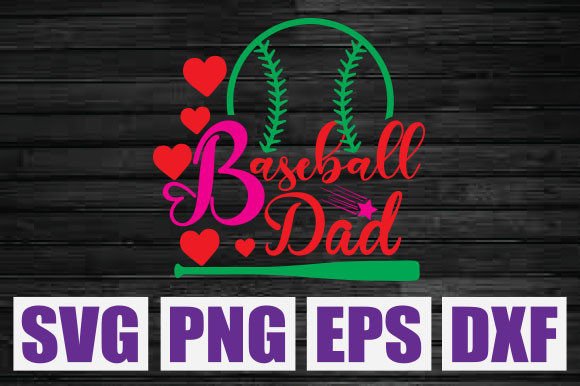
Opening Baseball Dad SVG feels like unboxing a well-thought-out sketch—not flashy, but instantly familiar. The layout is balanced: a classic baseball glove anchors the bottom, with a subtle bat crossing behind it, and “Baseball Dad” arched cleanly above in a rounded, friendly sans-serif. There’s no clutter—no extra stars, no exaggerated shadows, no forced grunge. It reads as warm, approachable, and quietly confident. That’s exactly what you want for a handmade tote bag heading to a Little League game, or a soft cotton onesie for a newborn whose dad already wears his team cap to pediatrician visits.
Where This Design Earns Its Keep
I tested Baseball Dad SVG across three real projects: a 100% cotton canvas tote (for a local coach’s gift), a midweight French terry sweatshirt (for an Etsy listing), and a twill patch sewn onto a denim apron (for a craft fair booth). In every case, it held up—not because it’s complex, but because its simplicity translates cleanly into stitch.
- Custom apparel: On the sweatshirt, the clean curves of the glove stitched smoothly with satin stitch borders and open fill centers—no puckering, even on the curved shoulder seam.
- Embroidered patch: At 3.5" wide, the design scaled down without losing legibility. The lettering stayed crisp, and the glove outline remained distinct—not muddy or fused—thanks to thoughtful spacing and moderate stroke weight.
- Baby embroidery: On a 100% organic cotton receiving blanket, I used lightweight tear-away stabilizer and reduced density by 15%. The result was soft, breathable, and safe—no stiff backing or scratchy edges.
Real Limits You’ll Notice on the Hoop
This isn’t a one-size-fits-all file—and that’s okay. Baseball Dad SVG shines best when matched to the right context. Here’s where to pause:
- Small hoop sizes: Below 4" wide, the lettering starts to feel tight. If stitching for a toddler cap or baby beanie, consider omitting “Dad” and using just the glove + bat icon—it retains meaning and avoids cramped satin stitches.
- Textured or stretchy fabric: On ribbed knit tees or slubbed linen tea towels, I added medium-cutaway stabilizer underneath and slowed my machine speed. Without that, the fill areas can shift slightly on the diagonal bat stripe.
- Dark fabric: The RGB color mode means your thread palette choice matters more here. On navy or charcoal, avoid light gray thread for the glove outline—go for charcoal or navy instead to preserve definition. Always test thread colors on scrap first.
- Curved surfaces: For caps or curved pillow covers, I repositioned the design slightly lower than center—letting the glove sit comfortably over the front panel’s gentle dome, rather than fighting the curve at the crown.
What It Adds to Your Finished Product—Beyond Stitching
A good machine embroidery design doesn’t just stitch—it supports your brand voice and customer trust. Baseball Dad SVG does this quietly but consistently. It looks handmade, not mass-printed. Customers notice that difference: on Etsy, buyers commented that the design “feels personal, not generic,” especially when paired with a handwritten card about their child’s first season.
It also holds up commercially. As a digital embroidery file, it’s versatile across formats (SVG, DXF, EPS, PNG)—so whether you’re prepping for a Cricut-based applique design or converting to PES for commercial embroidery machines, the vector integrity stays strong. And because it’s high-quality at 300 dpi and RGB-mode ready, your printable mockups look sharp in listings—no pixelation, no guesswork.
Designer Notes You’ll Actually Use
Before cutting, stitching, or listing, run through these quick checks:
- Test on scrap fabric—especially if using textured weaves or blends. Note how the fill stitch settles and whether the glove’s thumb curve needs slight density adjustment.
- Review stitch density in your embroidery software. If converting from SVG, watch for overlapping paths that could create unintended double-stitching in the bat handle.
- Confirm hoop size compatibility. The full design fits comfortably in a 5x7 hoop, but if you’re using a 4x4, plan your crop early—don’t try to force it.
- Inspect small details at 200% zoom: the gap between glove fingers, the spacing before “Baseball,” and the bat’s taper—all hold up well, but verify before sending to production.
- Try black-and-white mockups. Since there’s no built-in color guidance, seeing how contrast works in monochrome helps predict readability on heather gray or oatmeal fabrics.
- Use proper stabilizer: lightweight for baby items, medium for totes and sweatshirts, cutaway for stretch knits or layered garments like reversible aprons.
- Check licensing. While Baseball Dad SVG includes editable EPS and SVG files, confirm whether commercial use is permitted for your intended finished product—especially if selling embroidered patches or digital bundles on Etsy.
Final Thought: A Reliable Workhorse, Not a Showstopper
Baseball Dad SVG won’t win design awards—but it will earn repeat orders, heartfelt thank-yous, and steady sales in your craft business. It’s the kind of graphics file that disappears into the product, letting the sentiment and craftsmanship take center stage. Whether you’re building a boutique line of nursery decor, stocking a holiday market booth with personalized gifts, or fulfilling custom apparel requests for local teams, this design delivers consistent, professional results without demanding constant tweaking.
It belongs in your core library—not as a novelty, but as a trusted tool. Just remember: its strength lies in restraint, clarity, and quiet confidence. Use it that way, and it’ll serve your customers—and your business—well.