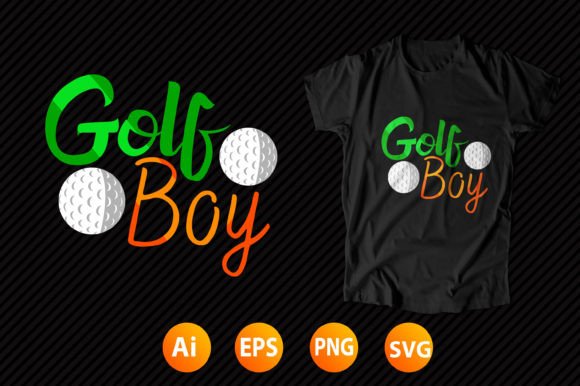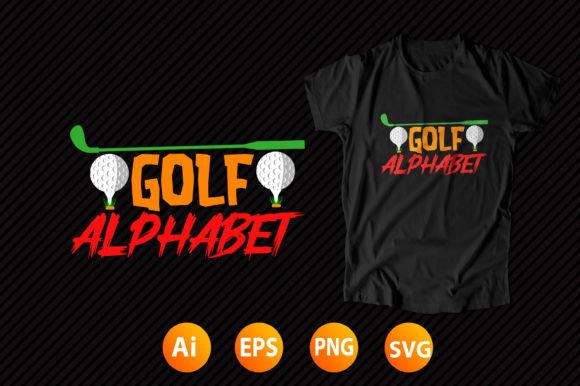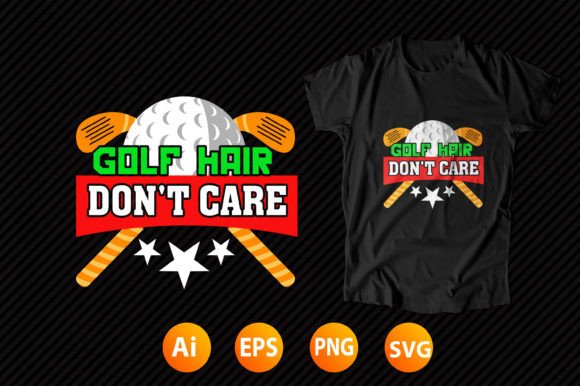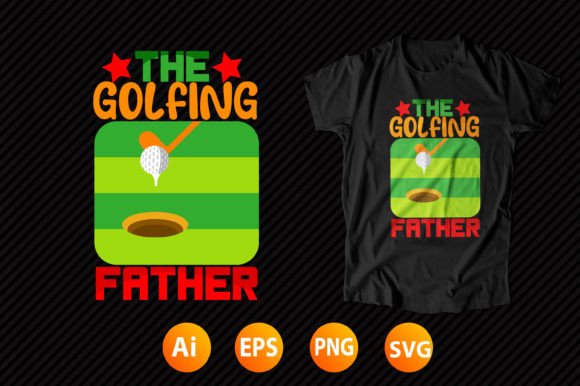
Golf Ball T-shirt Design 14
Let’s be real: not every golf-themed embroidery design holds up under needle and thread. As someone who’s stitched hundreds of custom apparel pieces—from baby onesies to boutique aprons—I opened Golf Ball T-shirt Design 14 expecting another stylized typography piece. What I found was something more intentional than most: a clean, confident nod to the sport that avoids cliché while staying instantly recognizable.
I tested it on a midweight cotton twill tote bag for a local golf league’s “Family Day” event—custom embroidered with navy thread on natural canvas. The result? Crisp, balanced, and surprisingly versatile. It didn’t scream “golf shirt,” but it whispered “thoughtful, lighthearted, and well-made”—exactly the tone small shops and craft sellers need when curating handmade product lines.
A Typography-First Design That Stitches Like a Pro
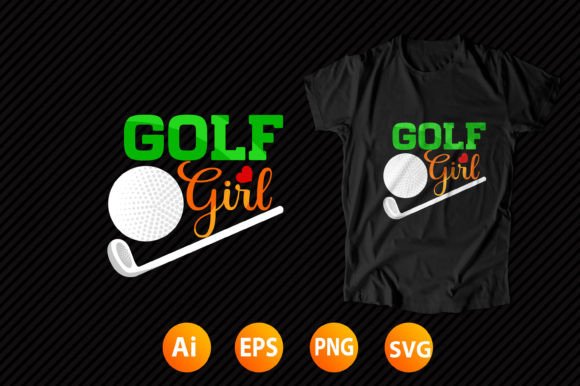
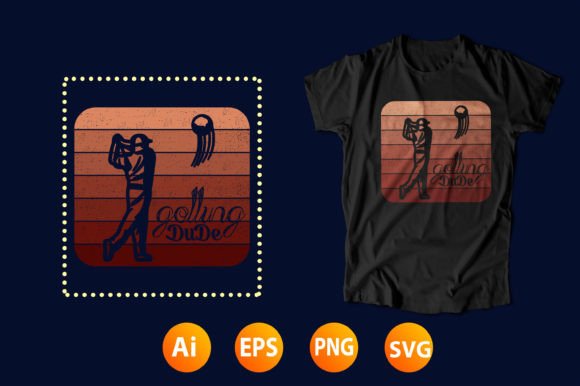
Golf Ball T-shirt Design 14 leans heavily into typographic rhythm rather than literal illustration. There’s no cartoonish ball or swing silhouette—just smart letterforms arranged with subtle spatial tension, evoking the roundness and precision of the game itself. The vector-based construction (noted in the description as “100 vector shapes re-sizable”) means you can scale it confidently across applications: from a 3-inch chest logo on a toddler polo to a bold 6-inch back design on a relaxed-fit sweatshirt.
That scalability matters—especially for embroidery designers juggling multiple fabric types. On terry cloth tea towels? It held its shape without over-stitching. On ribbed knit baby onesies? With proper cutaway stabilizer and reduced stitch density in tight curves, it stayed legible and soft-to-the-touch. No ghosting, no thread nesting, no “muddy” corners—just clean transitions between satin and fill stitches where needed.
Where This Design Fits Best (and Where It Needs Extra Care)
This isn’t a one-size-fits-all embroidery file. Its strength lies in context—not clutter. It shines brightest on:
- Custom apparel where brand voice is friendly but polished (think: golf resort merch, women’s golf collectives, or inclusive beginner clinics);
- Embroidered patches for hats, jackets, or gear bags—its compact layout and strong negative space make it ideal for heat-applied or sewn-on use;
- Personalized gifts like pillow covers for newlyweds who met on the green, or kitchen towels for a golfer’s retirement party;
- Small shop product lines, especially when paired with minimalist packaging and consistent mockups—its typography-first approach lends itself beautifully to cohesive branding.
But here’s what I watched closely—and recommend you do too:
- Small hoop sizes: While scalable, avoid shrinking it below 2.5 inches without verifying stitch integrity in your embroidery software. Tiny serifs or counters may collapse if pushed too far;
- Textured or stretchy fabrics: On waffle-weave towels or performance tees, test stabilizer pairing first. A lightweight tear-away works fine on stable cotton—but switch to cutaway + topping for anything with loft or give;
- Dark or layered garments: Since it’s typography-driven, contrast is non-negotiable. Navy thread on black fabric won’t read. Always check thread color against background in grayscale mockups before stitching;
- Curved surfaces like caps: The horizontal flow works well on front panels, but avoid placing it near the crown seam unless you’re using a cap frame and adjusting for distortion.
What It Adds to Your Finished Product—Beyond the Stitch
As an Etsy seller and embroidery designer, I pay attention to how a design affects perceived value—not just stitch count. Golf Ball T-shirt Design 14 elevates handmade presentation because it looks deliberate, not generic. Customers notice that difference. When used on a personalized gift, it reads as curated—not templated. On boutique merchandise, it supports brand consistency without demanding heavy customization.
It also performs well in digital spaces: as a printable mockup or digital embroidery file listing, its clean vector nature translates smoothly to PNG previews and lifestyle renders. No jagged edges, no pixelation—even at thumbnail size. That boosts buyer confidence, especially for international crafters comparing options across marketplaces.
Practical Notes Before You Stitch
Before adding Golf Ball T-shirt Design 14 to your next project—or your shop inventory—here’s my quick checklist:
- Test on scrap fabric matching your final garment’s weight and weave;
- Review stitch density in software—look for dense clusters that might pucker thin cotton or stiffen baby knits;
- Confirm hoop size compatibility with your machine and intended placement (e.g., left chest vs. full back);
- Inspect small details like spacing between letters—tight kerning can vanish on low-thread-count fabrics;
- Try black-and-white mockups to assess contrast across light/dark backgrounds;
- Use appropriate stabilizer—cutaway for knits, tear-away for stable wovens, topping for napped fabrics;
- Verify licensing terms before selling finished items or reselling the design itself. The product description states it’s “100 Print ready” and built from “100 vector shapes,” but commercial use rights must be confirmed directly with the source.
Bottom line? Golf Ball T-shirt Design 14 earns its place in a working designer’s library—not because it’s flashy, but because it’s functional, flexible, and quietly confident. It doesn’t try to be everything. It does one thing well: deliver a golf-inspired message with clarity, craft, and quiet charm. Whether you’re embroidering a holiday gift for your caddy or building a small batch of boutique tote bag designs, this one lands right where it should—in the sweet spot between personality and professionalism.