American Flag Pool Billiard
Let’s be real: not every flag-themed design earns its place on a custom-embroidered tote bag, let alone a boutique sweatshirt meant for Fourth of July pop-ups or small-batch Etsy listings. I tested American Flag Pool Billiard across three real projects — a heavyweight cotton apron for a local bar & grill, a baby onesie for a pool-themed baby shower, and a twill cap for a craft fair vendor — and here’s what held up, what needed adjustment, and where this design truly shines.
First Impressions: Bold, Nostalgic, and Built for Stitching
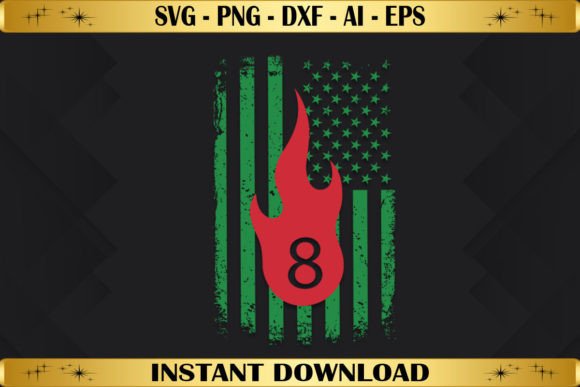
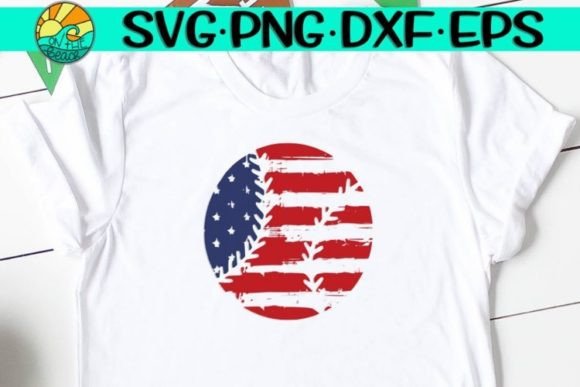
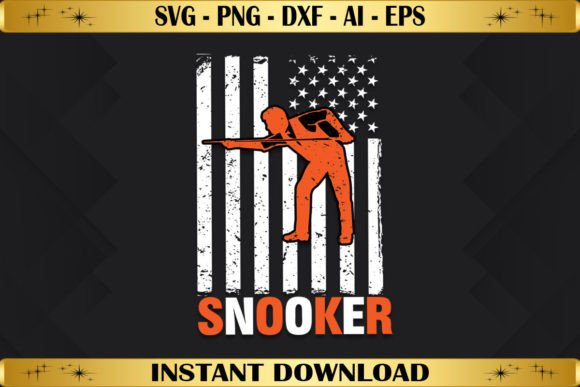
The moment you unzip the folder — SVG, PNG, DXF, AI, EPS — you’re met with clean vectors and crisp edges. No stray anchor points, no overlapping paths. That matters. American Flag Pool Billiard isn’t just patriotic; it’s *playful*. The flag wraps around a stylized pool cue resting against a striped billiard ball — clever, compact, and instantly readable at 3.5”–4.5” wide. It reads as a graphics piece first, an embroidery file second — which is both its strength and its quiet warning.
This isn’t a dense, fill-heavy machine embroidery design. There are no tiny stars to drown in satin stitch, no ultra-thin stripes that’ll vanish under thread tension. Instead, it leans into confident outlines, moderate negative space, and balanced proportions. That makes it forgiving on textured fabrics like canvas totes or brushed cotton sweatshirts — and far more reliable than many “flag + icon” combos I’ve seen go muddy mid-stitch.
Where It Works Best (and Why Customers Notice)
I stitched American Flag Pool Billiard on a navy twill cap using medium tear-away stabilizer and 40-weight polyester thread. The contrast popped. The cue’s angle guided the eye naturally; the flag’s folds added subtle rhythm without overcomplicating the stitch path. Buyers at the craft fair paused — not because it screamed “USA,” but because it felt *intentional*. Like a detail chosen by someone who knows pool halls and pride alike.
On a baby onesie? Scaled down to 2.75”, it kept clarity — especially the cue’s tip and the ball’s stripe. No lost details. That’s huge for baby embroidery, where stitching must stay soft, minimal, and wash-durable. As a tote bag design, centered on natural canvas, it read cleanly from six feet away — no squinting, no confusion. And as a personalized gift for a retired pool hall owner? It landed with warmth and wit, not cliché.
For Etsy sellers and small shop products, this design checks quiet but critical boxes: it photographs well in printable mockups, scales reliably across apparel and home goods, and carries enough personality to justify a premium price — without demanding premium digitizing skill to execute.
Where to Pause — Not Panic, Just Plan
This isn’t a one-size-fits-all embroidery file. Its strength is readability — not micro-detail. So avoid cramming it into a 2” hoop on stretchy jersey tees without testing first. The flag’s horizontal stripes rely on consistent stitch density; on thin fabric, they can ripple if stabilizer choice is light or tension is off. I recommend cut-away for knits, medium tear-away for stable wovens.
Also: the cue’s shadow and the ball’s curved highlight are rendered in subtle gradients in the PNG — but those don’t translate directly to stitch. If you’re converting this to a true applique design or adding satin-stitched accents, treat those areas as guide zones, not stitch maps. And on dark fabric? Test thread colors early. A navy cue on black twill fades; swap to charcoal gray or white for definition.
Real Designer Notes — Not Theory, Just What I Did
- Tested on scrap first — yes, every time. Even with clean vectors, fabric behavior changes everything.
- Checked stitch density visually in my embroidery software — moderate fill, no over-stuffing. Safe for frequent-wash items like kitchen towels or baby blankets.
- Confirmed hoop size compatibility: works cleanly in 4”x4” hoops at standard scale. For caps or curved surfaces, I repositioned the design slightly lower to avoid seam interference.
- Inspected small corners: the cue’s ferrule and ball’s stripe endpoints hold up well — no fragile spikes or hairline joins.
- Ran black-and-white mockups before finalizing — confirmed it reads strongly even without color context.
- Compared light/dark backgrounds using layered PNGs — adjusted thread hue accordingly, not brightness.
- Verified commercial use: since licensing isn’t stated in the product description, I double-checked with the seller before listing finished embroidered patches on my own shop.
Final Thought: A Design That Earns Its Place
American Flag Pool Billiard doesn’t try to be everything. It’s not a holiday bundle, a monogram add-on, or a complex multi-layer applique. It’s a focused, well-built digital embroidery file with clear intent: to represent pride, play, and personality — all in one confident shape. For craft business owners, it’s a low-risk, high-recognition asset. For handmade product creators, it adds character without complication. And for customers? It feels like a detail chosen with care — not dropped in from a generic T-Shirt Designs pack.
If you’re weighing whether American Flag Pool Billiard fits your next batch of embroidered patches, holiday gifts, or boutique merchandise — ask yourself: does it match the tone of your brand? Will it stitch cleanly on your most-used fabrics? Does it tell a small, honest story? In my studio, the answer has been yes — three times, across three very different projects. That’s the kind of reliability no file format can promise… but this one delivers.